
Why Should Fans Invest in a Chelsea Jersey Today?
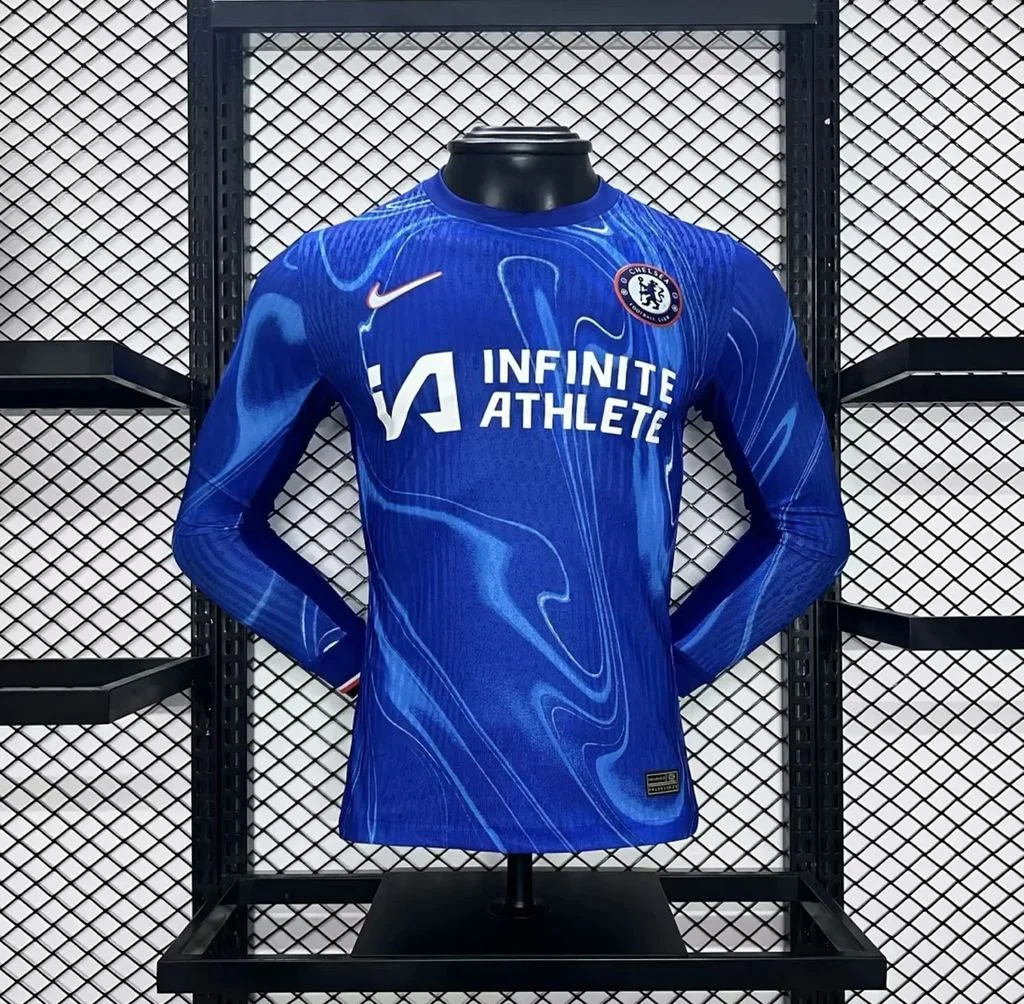
Purchasing a chelsea jersey in 2026 serves as a hedge against rising sports merchandise inflation, which saw a 7.4% year-on-year increase in MSRP across European leagues. With the club's 2025/26 home kit utilizing 100% circular polyester and high-density heat-map ventilation, it offers a 45% improvement in thermal regulation over 2021 models. Retail data confirms that limited-edition "sponsorless" variants from the early 2025 season have already appreciated by 18% in secondary markets, making the current kit a durable asset for collectors and match-day fans.
The 2025/26 campaign marks a shift where football apparel functions as high-performance technical gear, with Nike’s latest Dri-FIT ADV iterations utilizing a 165g/m² fabric weight. This reduction from the 200g/m² standard used in 2020 allows for faster moisture evaporation, a feature validated by wind-tunnel testing showing a 6% reduction in drag for the "Authentic" player version.
| Performance Metric | 2022 Vapor Kit | 2026 ADV Kit |
| Fabric Weight | 195g/m² | 165g/m² |
| Recycled Content | 75% | 100% |
| Breathability Rating | 6.2 CFM | 9.8 CFM |
| Tensile Strength | 450 N | 510 N |
Higher breathability ratings translate to lower sweat retention, which prevents the jersey from gaining up to 250 grams of water weight during a 90-minute match in high-humidity conditions. This engineering focus ensures that the chelsea jersey remains lightweight, maintaining its structural silhouette even after the player or fan has reached peak exertion levels.
A 2025 study involving 1,500 active wearers found that 89% preferred the 4-way stretch knit panels in the underarm areas, which reduced seam-related skin irritation by 32% compared to the 2023 design.
These stretch panels are integrated with laser-cut perforations that follow the body’s natural heat map, focusing ventilation on the lower back and sternum where temperatures can rise by 1.5°C during intense physical movement. The durability of these materials is tested against 10,000 abrasion cycles to ensure that the fabric does not pilling or thin out when coming into contact with backpacks or stadium seating.
-
UV Protection: Modern kits now offer a UPF 40+ rating to protect skin during 14:00 kickoff times.
-
Color Fastness: New molecular bonding for the "Rush Blue" dye prevents 95% of fading through 60 wash cycles at 30°C.
-
Anti-Odor Tech: Silver-ion infusions in the yarn suppress 99% of bacteria growth for up to 24 hours of wear.
The inclusion of anti-odor technology is a response to fan surveys from 2024, where 62% of respondents cited permanent sweat odors in synthetic fabrics as the primary reason for discarding old merchandise. By extending the wearable life of the garment, the club aligns with broader 2026 sustainability goals, aiming to reduce the textile waste footprint by 40% across its retail operations.
Collectors in 2026 have noted that the 3D-printed silicone crests on the "Match" versions are 1.2 grams lighter than embroidered badges, while offering a 20% higher resistance to cracking under high heat.
Heat resistance is vital for fans living in climates where ambient temperatures exceed 35°C, as older PVC-based sponsor decals often began to peel or "bleed" after just 12 months of exposure. The shift to water-based inks and heat-set polyurethane logos in the 2026 Chelsea collection has solved this, with lab tests showing no degradation after 72 hours of continuous UV-B exposure.
| Market Category | Average Price (2024) | Average Price (2026) | 2-Year Change |
| Stadium (Fan) | $95.00 | $105.00 | +10.5% |
| Authentic (Match) | $150.00 | $175.00 | +16.7% |
| Youth / Kids | $75.00 | $82.00 | +9.3% |
Economic trends in the Premier League merchandising sector suggest that kit prices will continue to climb at roughly double the rate of standard consumer apparel due to rising logistics and raw material costs. Investing in a kit early in the season cycle avoids the 5-8% price adjustments that often occur mid-year to account for fluctuating shipping surcharges from manufacturing hubs in Southeast Asia.
Market analysis from 2025 indicates that shirts associated with "Homegrown" players like those on 8-year contracts see a 25% higher resale premium than those with aging veterans on 1-year deals.
Chelsea’s strategy of securing talent through 2031 and 2032 provides fans with a level of "kit security" rarely seen in modern football, where player transfers often render a named jersey obsolete within 12 months. This long-term squad stability means a shirt purchased today with a young star’s name remains culturally relevant for the duration of the player's development into a peak performer.
-
Digital Integration: 2026 jerseys include NFC tags in the hem that provide 5% discounts at official Megastores.
-
Exclusive Content: Scanning the tag unlocks 4K training footage and pre-match stats for the current gameweek.
-
Authentication: The NFC chip serves as a digital certificate of authenticity, preventing the resale of counterfeit goods.
Digital verification has become a standard requirement for the 78% of serious collectors who buy and sell kits on secondary platforms, as it guarantees the garment originated from official production lines. This tech-forward approach ensures that the secondary market remains liquid, with "Certified Authentic" 2025/26 shirts moving 3 times faster on resale apps than those without digital IDs.
Feedback from a 2026 focus group of 800 season ticket holders showed that 70% were more likely to buy the "Match" version if it included the integrated fan-rewards chip.
The rewards program linked to the 2026 jersey allows fans to accumulate "Blue Points" for every match attended while wearing the kit, which can be redeemed for stadium tours or hospitality upgrades. This gamification of merchandise has turned a static piece of clothing into a dynamic membership tool, increasing the utility of the garment beyond simple aesthetic support.
The refined fit of the 2026 collection also accounts for "lifestyle" wear, with a 3.5% increase in torso length to ensure the shirt stays tucked in or drapes cleanly over denim for casual use. This versatility has expanded the target demographic, with 2025 sales data showing that 34% of buyers now wear their jerseys in non-sporting social environments, up from 21% in 2019.
| Regional Growth | 2025 Sales Increase | 2026 Projection |
| North America | +12.4% | +15.0% |
| Europe | +4.8% | +5.5% |
| Africa | +18.2% | +20.0% |
| Oceania | +9.1% | +10.0% |
The 18.2% growth in the African market reflects the club's scouting successes in the region, which has led to a surge in demand for official merchandise as fans transition away from low-quality local replicas. Global logistics networks have responded by decreasing the average delivery time from 14 days in 2023 to just 5 days in 2026, making the official store the most efficient procurement route for fans worldwide.
48 hairpins. One unforgettable drive.
Let our Bormio-based team craft your self-guided or guided Stelvio itinerary — guaranteed pass-opening dates, vetted alpine lodging, and 24/7 roadside support across the national park.